

The death of a loved one is always a difficult time – a time that few of us will be able to avoid during our lifetimes. The emotional turmoil that accompanies the death of a loved one is further intensified if the death was unexpected. Despite this turmoil, there are a number of steps that you need to take, in addition to funeral and burial arrangements, to ensure that your loved one’s property is appropriately distributed
Step 1: Gather Information and Notify Interested Parties
The following steps need to be taken as soon as possible after the death of your loved one:
- Obtain several copies of the death certificate. Typically, the funeral home will complete the death certificate within a few days of death. Later, you may obtain a death certificate from an online organization.
- Gather up all of your loved one’s financial and legal documents to turn over to the estate’s personal representative later. This includes your loved one’s computer, which you should keep in good working order. Some of the documentation you need may exist only on the computer.
- Locate your loved one’s last will and testament, if you have reason to believe that one exists. If it is kept in a safe deposit box, you may remove only the will from the safe deposit box at this point.
- Read your loved one’s last will and testament (if there is one) to discover the identity of the probate estate’s personal representative (executor).
Do not provide estate documents to the personal representative named in the will until the court actually appoints them. The court is not obligated to respect the deceased testator’s choice of a personal representative, even though it usually does.
Step 2: File a Court Case
The personal representative or an heir, beneficiary, or even an attorney can file a probate or an intestate case with the New York Surrogate’s Court.
- File the case with the branch of the New York Surrogate’s Court that has jurisdiction over your deceased loved one’s place of residence. File a copy of the death certificate, the will (if there is one), and other required documents in the court that has jurisdiction over your loved one’s residence.
- The court may release emergency funds to your loved one’s dependents out of estate assets if so requested.
- The court will formally appoint the personal representative of the estate (with or without a will) and will issue Letters Testamentary to allow the personal representative to prove his authority to third parties such as banks.
- The court may also appoint a guardian for your loved one’s minor children if the other parent is not alive or is unavailable for some reason.
The distribution of estate assets, whether or not in probate, will require the payment of a fee, which should be paid out of estate assets.
Step 3: Administer the Estate (If You Are the Personal representative)

If you have been appointed personal representative of your loved one’s estate, it is likely that you have a lot of work ahead of you. You also have a heavy responsibility for which you can be held liable if you perform your duties negligently. The following is a very general description of the duties of an estate personal representative.
- Inventory the estate’s assets and liabilities, and create a complete written record. This inventory will probably need to be updated regularly. The court might also demand that you produce it at some point.
- Establish a bank account in the name of the estate. Determine whether any of your loved one’s bank accounts named a beneficiary who will be entitled to its funds. If so, these funds are not part of your loved one’s probate estate and should not be transferred to the estate bank account. Transfer the remaining funds into the estate bank account, and notify the beneficiary of these bank accounts.
- Determine if your loved one held any insurance policies, annuities, or other financial products that might pay off after death. The New York State Department of Financial Services can help you locate life insurance policies and identify beneficiaries. Please note that insurance policies with living beneficiaries are not part of the estate and are not subject to the claims of estate creditors. Rather, the insurance companies will need to be notified of your loved one’s death so that they can distribute the proceeds to the beneficiaries. Although, as a personal representative, you are not responsible for life insurance, you are in the best position to notify the beneficiaries of their existence.
- Find out if your loved one’s survivors are owed any benefits from Social Security, Workers’ Compensation, etc. These benefits are not part of the estate and are not subject to the claims of estate creditors. Rather, the authorities administering these benefits will need to be notified of your loved one’s death, so that they can release the proceeds to the beneficiaries.
Although you are not responsible for the distribution of these benefits, as a personal representative, you are in a good position to ascertain their existence and notify potential beneficiaries.
- If your loved one owned any real estate in another state, you may have to file an additional proceeding in that state in order to distribute these assets.
- If your loved one was a partner in a business that was a going concern at the time they died, dispose of these assets appropriately. This may mean adding your loved one’s share to the estate, or it may mean allowing the other partners to “buy out” your loved one’s share in accordance with the terms of a buy-sell agreement and adding the proceeds to the estate.
- Complete a tax return (or tax returns) on behalf of your loved one.
- Pay the estate’s debts (to commercial creditors, attorneys, and tax authorities, for example). You might need to sell estate assets to raise funds to pay its creditors. If you fail to pay these debts, you may be ruled personally liable for them.
- Distribute the estate’s remaining assets as requested by the Surrogate’s Court.
- Ask the court to release you from your commission.
The foregoing is only a bare-bones description of the duties of the personal representative of an estate in New York. Much more detailed knowledge will be required to actually undertake these duties.
Contact Us Today
If you need assistance dealing with the estate of a deceased loved one, contact the Law Office of Andrew M. Lamkin, P.C., for a free case evaluation. Call our office today or contact us online with your questions.
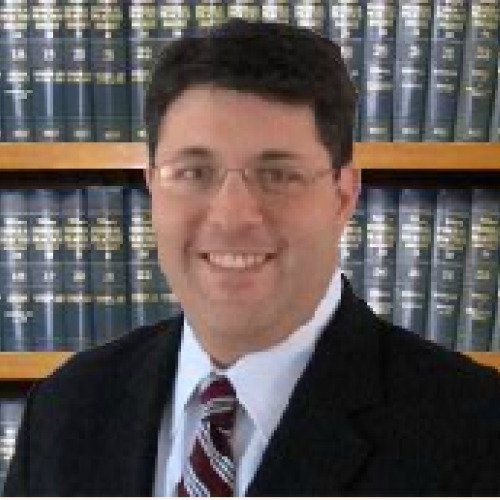
Andrew Lamkin is principal in the law firm of Andrew M. Lamkin, P.C., where he focuses his practice in the areas of elder law, estate planning and special needs planning, including Wills and Trusts, Medicaid planning, estate administration and residential real estate transactions. He is admitted to practice law in New York and New Jersey.

 Loading...