
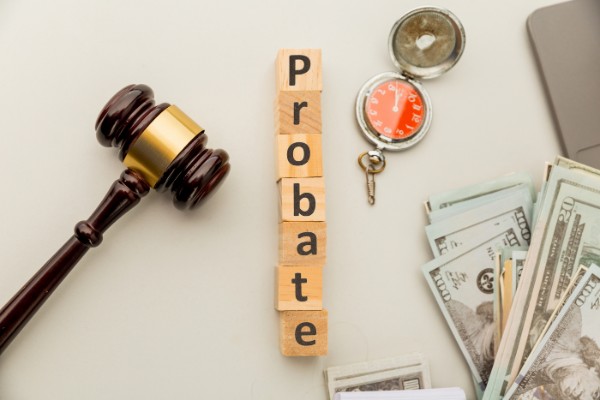
New York, like most states, requires a minimum asset value of the estate to require probate. If an estate’s value is under that minimum, then the estate goes through a small estate proceeding. That said, even if an estate is below the threshold, that does not mean the Surrogate’s Court is not involved. Likewise, you should never assume that just because the estate is under a specific amount, you qualify for small estate proceedings.
Understanding the procedures involved with probate is critical. How much does an estate have to be worth to go to probate? In New York, if an estate is valued over $50,000, it must be probated with a will. If the estate is valued under $50,000, it is still subject to probate, but what is known as a small estate proceeding. When there is no will, the estate is administered; not probated.
If you have any questions, don’t hesitate to contact the Law Office of Andrew M. Lamkin P.C. today. Our firm serves families across Long Island and New York City, guiding executors and beneficiaries through every step of the probate or small estate process.
What Is Probate?
Probate is the court process to validate a will, appoint an executor, pay lawful debts, and transfer what remains of a deceased person’s (“decedent’s”) property to the people named in the will. If there is no will, the court process is called administration, and the court appoints an administrator instead of an executor. The Surrogate’s Court in the county where the person lived oversees either.
In both cases, probate typically involves:
- Collecting key documents,
- Filing a petition and requesting authority to manage the estate;
- Securing and valuing assets;
- Paying debts and taxes; and
- Prepare an accounting, distribute under the will, and close the estate.
Whether an estate needs formal probate depends on what assets the deceased owned.
When Is Probate Required?
You typically have to open probate when the decedent leaves probate assets when they die. Probate assets include property that has no direct way to transfer outside of court. In contrast, non-probate assets can transfer after someone dies without court involvement.
Non-probate assets include:
- Trusts,
- Life insurance proceeds,
- Payable-on-death (POD) bank accounts, and
- Transfer-on-death (TOD) accounts.
If the decedent only owned non-probate assets, probate is not required. If they owned any probate assets, however, those assets must go through probate court.
So, do all wills go through probate? Unless the decedent owned only non-probate assets, all wills must go through a court process. Yet, if the sum of the decedent’s probate property at death totals $50,000 or less, you may not need to complete the probate process.
How Much Does an Estate Have to Be Worth to Go to Probate?
Small estate (voluntary administration) is New York’s simplified Surrogate’s Court process for transferring a decedent’s property when probate assets total $50,000 or less and the decedent did not own real estate in their name alone.
If the estate qualifies, the named executor or another person entitled to part of the estate files an affidavit to begin the small estate process. The court then appoints a voluntary administrator to manage the process. The process is quicker and less formal than complete probate but still court-supervised. You must convert the case into a full proceeding if you later discover solely owned real estate or assets that push the total over $50,000.
Accounting for All Assets – Is the Estate Really under $50,000?
At first glance, it might be easy to assume an estate is under $50,000, but once you dive deep into the financial records, you might find the estate is worth much more than originally thought. An estate’s “value” includes all assets, such as:
- Financial accounts.
–This includes bank accounts, savings, investment accounts, and stocks, bonds, and retirement or pension accounts and only apply if they do not have a designated beneficiary already. If a named beneficiary is already on these accounts, then their value bypasses probate. - Insurance policies.
–Any applicable life insurance policies, and their payout value, are included in the estate value. - Physical assets and their value.
–Physical assets, meaning anything that could be sold for funds, are included. This might involve real estate property, vehicles, and even furniture.
Before an executor can even petition to the Surrogate’s Court, they must first have the estate evaluated by a third-party. Before hiring that third-party, they must locate all of the assets that are part of the estate and handle other administrative duties so that they can find the true value.
This involves:
- Locating and inventorying all assets. First, the executor must locate all assets in the estate, create an inventory, and transfer ownership over to the estate if they are not part of it. Some of these assets may already be named in a will, but if the person did not have one, then the executor will be in charge of locating them.
- Paying all liabilities for the estate, including taxes. Before any evaluation begins, the executor must first pay all liabilities, including any outstanding debts and the final tax bill for the estate. They may have to collect all debts the estate owes and possibly wait for some debts to finalize, such as final bills from medical providers.
Families often misjudge whether an estate meets the threshold because they mix probate and non-probate assets.
The Small Estate Proceeding in New York
After all of the debts have been paid and assets located, if the estate’s value truly falls under $50,000, then that estate qualifies for the small estate proceeding. Formally, this is known as a voluntary administration of the estate, and it will not matter if there is or is not a will.
There are limitations to these small estate proceedings, however. For example, if the deceased owned real estate, then the estate will need to go through regular probate instead of the small estate proceeding. If there is no real estate or property, and the value is under $50,000, then the administration proceeding can be filed instead.
In small estate proceedings, the Surrogate Court is still involved, and it will appoint a voluntary administrator to oversee the proceeding. When there is a will, the party named as the executor is then appointed as the voluntary administrator. When there is no will, the closest heir is appointed by the court.
When There Is a Will
If there is a will, the process is quite straightforward. The executor, who is now appointed as the voluntary administrator, will administer the estate in accordance with the deceased’s instructions in the will. They will still have to locate and inventory all assets, pay any outstanding debts, and then distribute the assets, but the process is often quicker than ordinary probate proceedings.
When There Is No Will
If there is no will, the voluntary administrator appointed by the court would have to distribute according to the latest estate laws.
The law dictates which relative gets what based on a hierarchy system, which includes:
- A surviving spouse and no children.
–Then the spouse inherits all property. - Children, but no surviving spouse.
–Children will inherit the remaining assets equally. - A surviving spouse and children.
–The spouse would receive up to $50,000 first, then children would inherit the remainder. In this case, the estate is $50,000 or less; therefore, the spouse receives the assets. - Surviving parents with no spouse or children.
–The parents would receive the full estate. - Siblings only.
–If there are no spouses, children, or surviving parents, then siblings of the deceased would receive the estate in equal sums.
These rules ensure fair distribution but can lead to unintended results if the deceased never created a will. That is why proactive estate planning is essential, regardless of estate size.
Full Probate vs. Small Estate (Voluntary Administration)
The small estate process remains court-supervised but is more straightforward than full probate. Steps to take include:
- Confirm eligibility. Add only probate assets and verify the total is $50,000 or less with no solely owned real property.
- File the affidavit. The decedent’s loved ones file an Affidavit of Voluntary Administration in the Surrogate’s Court for the county where the decedent lived.
- Court appointment. The court appoints a voluntary administrator and issues Certificates of Voluntary Administration granting the administrator limited authority to manage the decedent’s property.
- Collect and safeguard assets. Use the certificates to access accounts, transfer titles, and assemble estate funds in an estate account.
- Pay valid debts and expenses. Satisfy funeral costs, last bills, and taxes from estate funds in the correct order.
- Distribute what remains. Follow the will or New York intestacy rules.
- Close the matter. Keep simple records of collections, payments, and distributions in case the court or beneficiaries request them.
Full probate, on the other hand, has more structure and covers larger or more complex estates. It typically involves:
- Formal notice to all those who may be entitled to part of the estate,
- Formal objections to court appointments or the will,
- Broader authority for the executor or administrator to manage the property in the estate, and
- Creditor management and accounting.
The probate process typically involves many formal steps.
Frequently Asked Questions
What Is the Minimum Amount for Probate?
In New York, the minimum estate value that requires probate is $50,000. The estate must go through formal probate proceedings in Surrogate’s Court if the total probate assets exceed that amount.
Is Probate Mandatory in New York?
Probate is mandatory when the estate includes solely owned assets exceeding $50,000, or when the deceased owned real property without a joint owner or beneficiary. Smaller estates may use the voluntary administration process instead.
What Has to Be Valued for Probate?
All assets without designated beneficiaries must be valued, including real estate, personal property, financial accounts, and insurance proceeds payable to the estate. The executor must determine their fair market value to confirm whether the estate qualifies for small estate administration or requires full probate.
Trusted Help for Filing a Small Estate in Long Island and New York City
When there is a will, the executor will still need to file that will and the death certificate with the courts using a small estate affidavit petition. They must provide evidence to the Surrogate’s Court that the estate qualifies as a small estate. Without a will, the person closest to the inheritance line would be the one who files the petition. Therefore, you can use the distribution rules above to determine which party would file that affidavit with the Surrogate’s Court.
In some cases, you do not need an attorney to finalize a small estate, but the process alone is time-consuming, complicated, and confusing. Often, loved ones prefer to use an attorney, regardless of the estate’s size, to handle the paperwork, filing deadlines, and assist with any final administrative duties.
Whether you are trying to administer an estate, or you want to work on a will for your small estate, now is the time to contact a local estate planning attorney. The Law Office of Andrew M. Lamkin, P.C., can assist you with your small estate needs. Contact the office now to schedule a free case evaluation – including teleconferencing options for those who do not wish to leave home.

Andrew Lamkin is principal in the law firm of Andrew M. Lamkin, P.C., where he focuses his practice in the areas of elder law, estate planning and special needs planning, including Wills and Trusts, Medicaid planning, estate administration and residential real estate transactions. He is admitted to practice law in New York and New Jersey.

 Loading...